Course description

The "Assessing and Treating Back Pain in General Practice and Primary Care" module is designed for healthcare professionals who wish to enhance their competency in managing one of the most common complaints in medical practice: back pain. This course offers a deep dive into the complexities of back pain, covering its causes, assessment techniques, and management strategies. Through a mix of lectures, case studies, and interactive sessions, participants will learn how to apply a holistic approach to care, considering both physical and psychosocial factors that contribute to back pain. By the end of this module, practitioners will be better equipped to provide effective, evidence-based care to patients suffering from back pain, improving their quality of life and reducing the impact of this pervasive condition on individuals 

Aims

  • To provide comprehensive knowledge on the anatomy and physiology of the back.
  • To enhance clinical skills in diagnosing and managing common back pain conditions encountered in minor illness clinics.
  • To promote the use of evidence-based guidelines in the treatment of back pain.
  • To improve patient communication and education regarding back pain management and prevention.

Learning Outcomes

By the end of this course, participants will be able to:

  1. Identify and Describe:

    • The basic anatomy and physiology of the back.
    • Common back pain conditions such as acute and chronic back pain, sciatica, and mechanical back pain.
    • The pathophysiology underlying these conditions.
  2. Diagnose:

    • Utilize clinical assessments and diagnostic tools to accurately identify back pain conditions.
    • Recognize the signs and symptoms of various back pain disorders.
  3. Treat and Manage:

    • Develop and implement evidence-based treatment plans for managing common back pain conditions.
    • Prescribe and manage pharmacological treatments including analgesics, anti-inflammatories, and muscle relaxants.
    • Apply non-pharmacological treatments such as physical therapy, exercise, and ergonomic advice.
  4. Communicate and Educate:

    • Effectively communicate with patients about the diagnosis, treatment options, and management of back pain.
    • Provide education on preventive measures and lifestyle modifications to support back health.
  5. Apply Best Practices:

    • Integrate current clinical guidelines and research findings into practice.
    • Engage in continuous professional development to stay updated with advancements in back pain management.
  6. Evaluate and Reflect:

    • Assess the effectiveness of treatment plans and make necessary adjustments based on patient response.
    • Reflect on clinical practices and identify areas for improvement to enhance patient care quality.

Course Content

  1. Introduction to Back Anatomy and Physiology
  2. Acute Back Pain: Diagnosis and Management
  3. Chronic Back Pain: Clinical Features and Treatment
  4. Sciatica: Identification and Management
  5. Mechanical Back Pain: Assessment and Intervention
  6. Diagnostic Tools and Techniques in Back Pain Management
  7. Pharmacological Treatments for Back Pain
  8. Non-Pharmacological Interventions and Patient Education
  9. Case Studies and Practical Applications
  10. Assessment and Reflection


What will i learn?

  • Gain insights into the common causes of back pain, including musculoskeletal issues, degenerative conditions, and acute injuries, understanding their underlying mechanisms.
  • Differentiate between different types of back pain, identifying cases that may indicate serious underlying conditions requiring immediate attention.
  • Formulate effective treatment strategies that may include pharmacological treatments, physical therapy, lifestyle modifications, and psychosocial support.
  • Educate patients on self-management techniques, including exercise, posture correction, and ergonomic adjustments, to prevent recurrence and promote long-term well-being.
  • Identify cases requiring referral to specialist services, such as orthopaedics, or pain management, for advanced treatment or interventional therapies.

Requirements

  • It is recommended that participants have a minimum of 2 years post qualifying experience and reviewed the pre-course recommended videos on neurological examination.

Belmatt Healthcare Training

Dr Parmy Deol

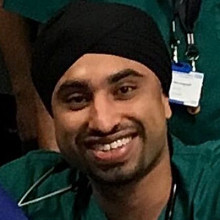
Dr Deol, a seasoned professional, serves as an A&E consultant at the prestigious Chelsea and Westminster Hospital while concurrently holding the role of a dual trained GP. At the forefront of emergency medicine, Dr. Deol takes on a leadership role in the urgent care centre at Chelsea, demonstrating expertise in managing critical situations.Beyond clinical practice, Dr. Deol is deeply committed to education. He is actively involved in teaching and is known for his extensive contributions to innovative methods of medical practice. Specialising in imparting crucial skills, Dr. Deol provides training sessions on blood results interpretation and is actively involved in teaching minor illness modules. Dr. Deol's commitment to advancing medical knowledge is further evident in his teachings on point-of-care ultrasound, aimed at enhancing diagnostic capabilities in primary care settings. Through his multifaceted role, Dr. Deol continues to make significant contributions to both the clinical and educational realms, demonstrating a dedication to improving healthcare practices and outcomes.

£50

+VAT

Course code

ML2405

Cpd hours

3

Quizzes

1

Skill level

Intermediate

Expiry period

6 Months

Certificate

Yes

Related courses