Courses


The Introduction to General Practice module comprises of a range of learning units to prepare you for general practice.

Physical Examination Skills 14 21 28 July 2022 Time: 10h00 – 16h00CPD Hours: 203 Day Classroom course Course Summary This 3 day workshop provides a comprehensive guide to performing clinical examinations. This course is suitable for nurses, pharmacists, paramedics and allied health professionals who regularly assess patients and will develop your skills in using a systematic approach when performing a clinical examination.
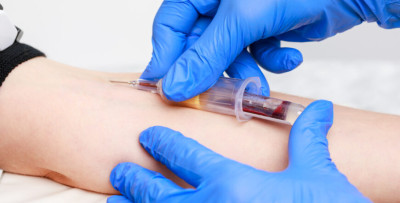
Time: 09h30 -12h30 or 13h30 – 16h30 CPD Hours: 3 Email: admin@belmatt.co.uk for upcoming dates. Course Summary Phlebotomy or venepuncture is one of the most commonly performed invasive procedures in hospitals and primary care. This comprehensive workshop includes theory and practical demonstration and training on taking bloods and administration of injections.
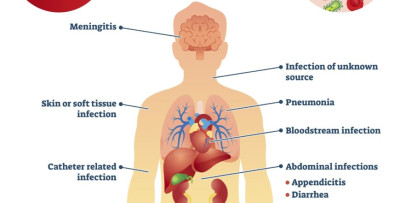
CPD Hours : 1 Session Type: E-Learning Course Summary Sepsis is the clinical manifestation of infections acquired in the community setting or in a healthcare facility and is one of the most frequent type of adverse event that can occur during care delivery. Early identification of symptoms of sepsis or prevention will therefore, significantly improve outcomes.
Define and identify abnormal uterine bleeding and its potential causes. Strengthen consultation and questioning skills to assess patients with abnormal uterine bleeding. Understand the importance of conducting appropriate investigations for accurate diagnosis. Explore and discuss current treatment options to improve patient outcomes Objectives: Familiarise participants with various contraceptive options and their suitability for different patients. Identify appropriate treatment strategies based on individual patient needs and preferences. Understand and apply current evidence and treatment guidelines for contraceptive care. Recognize the significance of personalized care plans to enhance patient concordance and compliance. Appreciate the importance of appropriate referrals to family planning nurses or sexual health facilities when needed.

Anaphylaxis training has become increasingly necessary as there appears to be an increasing prevalence of allergic conditions and sensitivities over the last two or three decades. Anaphylaxis is a severe, life-threatening allergic reaction that is rapid in onset and may cause death if untreated. The most common anaphylactic reactions are to foods, insect stings, medications and latex. The treatment of anaphylaxis needs a consistent approach which draws together relevant and appropriate expertise as provided by the Resuscitation Council (UK) and NICE clinical Guideline 134 recommendations. This anaphylaxis training explores different types of allergies and how to manage them in urgent care, the community and general practice. Anaphylaxis training can be accessed as a standalone course or as a part of the mandatory training for health and social care course.

Anaphylaxis training has become increasingly necessary as there appears to be an increasing prevalence of allergic conditions and sensitivities over the last two or three decades. Anaphylaxis is a severe, life-threatening allergic reaction that is rapid in onset and may cause death if untreated. The most common anaphylactic reactions are to foods, insect stings, medications and latex. The treatment of anaphylaxis needs a consistent approach which draws together relevant and appropriate expertise as provided by the Resuscitation Council (UK) and NICE clinical Guideline 134 recommendations. This anaphylaxis training explores different types of allergies and how to manage them in urgent care, the community, and general practice. Anaphylaxis training can be accessed as a standalone course or as a part of the mandatory training for health and social care course.

This programme of learning is for nurses working in general practice/primary care at the level of or wishing to work at the level of Advanced Clinical Practice (ACP). The programme has therefore mapped to some of the domains set out in the Multi-Professional Framework for Advanced Clinical Practice in England (HEE 2017).