Course description

Course Agenda

This comprehensive course

(Part 1): Introduction to Diabetes Assessment

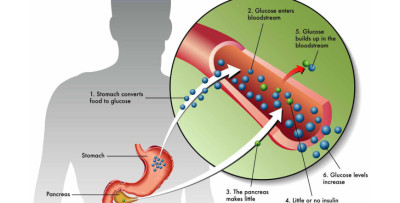
Understanding diabetes pathophysiology

Basic assessment and monitoring techniques

Overview of the NHS Diabetes Prevention Programme

 (Part 2): Advanced Diabetes Management

In-depth analysis of diabetes types and diagnostics

Critical appraisal of pharmacological treatments

Insulin therapy: options, application, and risk management

Complications of diabetes and management strategies

Content

Pathophysiology of Diabetes

NHS Diabetes Prevention Programme

Patient Assessment and Monitoring

Type 1 vs. Type 2 Diabetes

Diabetes Diagnostics: Role of HbA1c

Pharmacotherapy in Diabetes: Agents and Prescribing Considerations

Insulin Therapies: Types, Mechanisms, and Risks

Management of Diabetes Complications

Delegates Receive

Online access to course resources and handouts for 3 months

Access to the online/webcast version of the course

3 hours of CPD learning

Accreditation by CPDUK

Delivery Mode: Recorded Zoom Session

Lecturer : Gill Dunn, Diabetes Specialist Nurse

What will i learn?

  • The course aims to equip healthcare professionals with the necessary knowledge and skills to manage diabetic patients in a primary care setting effectively. It focuses on providing an evidence-informed and patient-centred approach to the management of diabetes.
  • Describe the pathophysiology of diabetes and its systemic impacts.
  • Discuss the latest updates on the NHS Diabetes Prevention Programme.
  • Demonstrate increased confidence in assessing and monitoring diabetic patients.
  • Differentiate between Type 1 and Type 2 Diabetes and understand the limitations of HbA1c in diagnosis.
  • Evaluate the benefits and risks associated with various antidiabetic agents, especially in renal impairment.
  • Analyse different types of insulin and their mechanisms of action.
  • Identify the potential risks associated with insulin therapy and learn how to mitigate them.
  • Implement patient-centred care plans that safely manage diabetes and its complications.
  • Engage in continuous professional development through evidence-based practice.

Requirements

  • Participants should have a foundational understanding of general medical terms and conditions, basic patient assessment, and a commitment to enhancing patient care in diabetes management.

Frequently asked question

Community Clinicians Practice Nurses Dietitians Pharmacists

Belmatt Healthcare Training

£50

+VAT

Course code

Cpd hours

Quizzes

1

Skill level

Intermediate

Expiry period

Lifetime

Certificate

Yes

Related courses

Intermediate

Chronic Disease Management in Primary Care

0

(0 Reviews)

Identify and Assess Chronic Diseases: Recognize the signs, symptoms, and risk factors associated with common chronic diseases. Develop Personalized Care Plans: Create individualized treatment plans based on patients’ specific needs, preferences, and medical history. Implement Treatment Protocols: Utilise appropriate medication, lifestyle interventions, and other therapeutic modalities in line with current guidelines. Apply Preventive Strategies: Implement preventive measures, including screenings, immunisations, and lifestyle counseling. Utilise Technology in Care: Integrate health technology tools, including electronic health records and telemedicine, in patient care. Communicate Effectively: Demonstrate strong communication skills with both patients and interdisciplinary healthcare teams. Evaluate Outcomes: Assess and evaluate patient outcomes, modifying care plans as needed to achieve optimal results. Adhere to Ethical Practices: Practice with ethical considerations, maintaining patient confidentiality and dignity. Engage in Continuous Learning: Recognise the importance of ongoing professional development and evidence-based practice in chronic disease management. Navigate Palliative Care: Provide compassionate palliative care to patients with life-limiting chronic illnesses. Facilitate Community Engagement: Collaborate with community resources and support systems to enhance patient care outside of the clinical setting.

£300