Course description
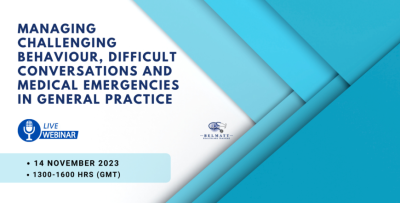
Agenda for the Session
13h00 Understanding Challenging Behaviour
· Defining ‘challenging behaviour’ and ‘difficult patients’.
· Discuss common triggers and reasons behind challenging behaviour: fear, miscommunication, long wait times, chronic pain, etc.
13h10 Communication Techniques
· The importance of active listening and showing empathy.
· De-escalation strategies: staying calm, using open body language, avoiding confrontational tones.
· Role-play activity: Participants practice de-escalation techniques in pairs.
13h25 Practical Strategies for Clinical Staff
· Recognising signs of potential aggression or escalation.
· Using a buddy system during consultations.
· Setting boundaries and knowing when to seek help or involve security.
· Case study: Review of a real-life incident, discussion on how it was handled, and alternative approaches.
13h40 Practical Strategies for Non-Clinical Staff
· Role of receptionists and administrators in early identification of challenging behaviour.
· Managing wait times and setting patient expectations.
· Safe environment protocols: Configuring waiting areas, using panic buttons, and understanding evacuation procedures.
· Interactive activity: Quick scenario-based decisions on managing challenging scenarios at the front desk.
13h50 Team Approach and Support
· Importance of team communication and debriefing after incidents.
· Psychological and emotional well-being: Recognising stress and seeking support.
· Sharing tools and resources available for staff well-being.
14h00 Challenges and Understanding how to navigate difficult conversations in general practice.
Brief on the importance of handling difficult conversations. What constitutes a “difficult” conversation in a medical setting? Common scenarios: Delivering bad news, addressing non-compliance, discussing sensitive topics.
14h10 Key Principles for Navigating Tough Talks
Active listening. Expressing empathy and avoiding judgment. Being clear and concise. Managing one’s own emotions.
14h20 Techniques and Approaches
The “SPIKES” model (Setting, Perception, Invitation, Knowledge, Empathy, Strategy/Summary) – a brief overview. Using open-ended questions.
Providing adequate information while respecting the patient’s emotional state. Dealing with reactions: anger, sadness, denial.
14h30 Role-play Demonstration
A brief demonstration (either live or via video) showcasing a challenging patient conversation and the application of discussed techniques.
14h40 Break
14h50 Recognising Emergencies in primary care
· Defining what constitutes an emergency in general practice.
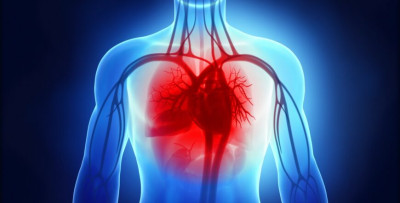
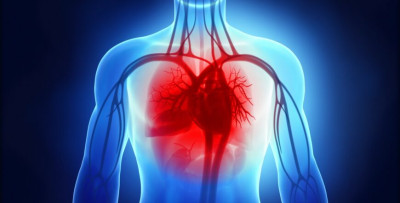
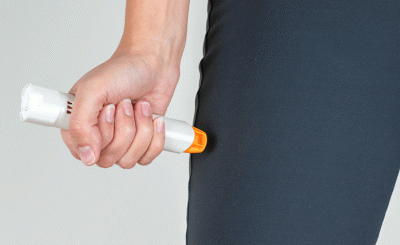
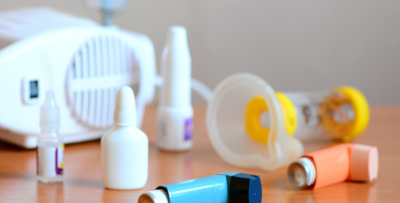
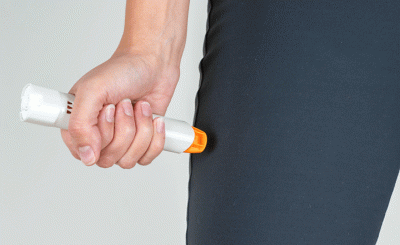
· Common emergencies encountered: Anaphylaxis, heart attacks, seizures, respiratory distress, and hypoglycaemia.
· Role play activity: Spotting signs and symptoms of various emergencies.(breakout rooms or interactive session?
· Case studies
15h20 Initial Response and Communication
· The importance of the first response: Keeping calm, alerting team members, ensuring patient safety. Contacting emergency services and signposting.
· Effective communication strategies for both clinical and non-clinical staff.
· Activity: Simulated emergency scenario with emphasis on communication.
15h40 Role of Clinical Staff
Assessing the situation: ABC (Airway, Breathing, Circulation).Administering basic life support if necessary. Safe use of emergency equipment (e.g., AED, oxygen).
Role of Non-Clinical Staff
Managing patients in the waiting area: Reassurance and redirection. Calling emergency services: Providing clear information. Assisting clinical staff as required.
Group discussion: Sharing experiences and best practices from non-clinical perspectives.
15h50 Post-Emergency Procedures and Debriefing
· Importance of post-emergency debriefs: Emotional well-being, learning, and improvements.
· Managing the aftermath: Informing affected patients, rescheduling, and damage control.
· Interactive discussion: Importance of self-care and seeking support after critical incidents.
Conclusion and Q&A
· Recap of the session’s key points.
· Open floor for questions and clarifications.
16h00 Session close