Course description

Content


The role of breathlessness in the patient experience of COPD

the impact of breathlessness on patients’ quality of life

the role of pharmacological and non-pharmacological interventions in managing breathlessness in COPD

current guidance from NICE and GOLD

practice advice on selecting the most appropriate treatment for a patient

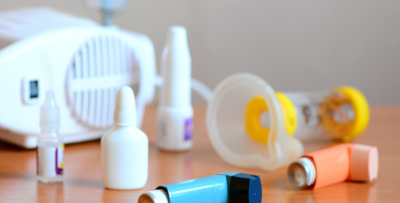
steps to reduce the environmental impact of inhalers

Ordering Oxygen and completing HOOF form

Overview of Spirometry

Course Benefits

On completion of the course successful students will be able to suggest, initiate and vary treatment in response to individual needs. They will demonstrate sound knowledge of the literature relevant to COPD and an insight into the strategic approaches to delivery of care, to enable them to improve their confidence in managing patients with COPD.

What will i learn?

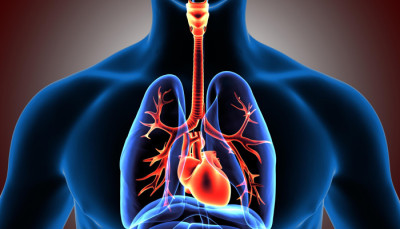
  • This course will explore anatomy of the lungs and management of COPD in general practice.

Requirements

  • This session is suitable for healthcare professionals regularly involved in the care of patients with chronic obstructive pulmonary disease (COPD). This includes nurses and healthcare professionals working in the community, GP practices, out of hours, rapid response and community settings who, given the burden of respiratory disease in the NHS, now require more knowledge regarding COPD and how this condition can be optimally managed in accordance with current guidance to improve patient outcomes.

Belmatt Healthcare Training

£50

+VAT

Course code

Cpd hours

Quizzes

2

Skill level

Beginner

Expiry period

Lifetime

Certificate

Yes

Related courses

Intermediate

Chronic Disease Management in Primary Care

0

(0 Reviews)

Identify and Assess Chronic Diseases: Recognize the signs, symptoms, and risk factors associated with common chronic diseases. Develop Personalized Care Plans: Create individualized treatment plans based on patients’ specific needs, preferences, and medical history. Implement Treatment Protocols: Utilise appropriate medication, lifestyle interventions, and other therapeutic modalities in line with current guidelines. Apply Preventive Strategies: Implement preventive measures, including screenings, immunisations, and lifestyle counseling. Utilise Technology in Care: Integrate health technology tools, including electronic health records and telemedicine, in patient care. Communicate Effectively: Demonstrate strong communication skills with both patients and interdisciplinary healthcare teams. Evaluate Outcomes: Assess and evaluate patient outcomes, modifying care plans as needed to achieve optimal results. Adhere to Ethical Practices: Practice with ethical considerations, maintaining patient confidentiality and dignity. Engage in Continuous Learning: Recognise the importance of ongoing professional development and evidence-based practice in chronic disease management. Navigate Palliative Care: Provide compassionate palliative care to patients with life-limiting chronic illnesses. Facilitate Community Engagement: Collaborate with community resources and support systems to enhance patient care outside of the clinical setting.

£300