
JULY 2024 NEWSLETTER
Fri, 12 Jul 2024

Follow the stories of academics and their research expeditions
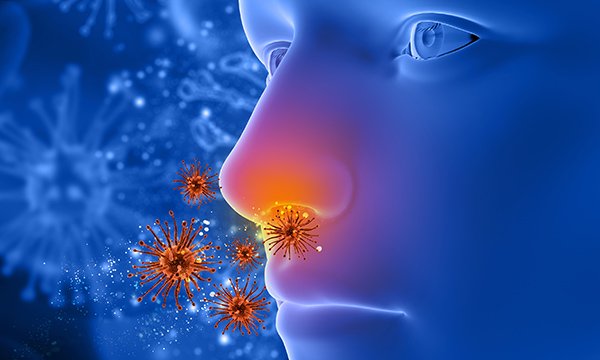
Hay fever, or allergic rhinitis, is a common condition that affects up to 13 million people in the UK. It is caused by an IgE-mediated hypersensitivity reaction to pollen, resulting in inflammation of the nasal mucosa and conjunctiva. Hay fever symptoms can include sneezing, rhinorrhoea, nasal congestion, pruritus, and ocular irritation. Hay fever can impair quality of life, sleep, mood, and productivity, and increase the risk of secondary complications, such as sinusitis or otitis media. Hay fever can also exacerbate asthma, leading to increased morbidity and mortality.
Hay fever is typically seasonal, occurring during the spring and summer months when plants release their pollen. However, the severity and duration of hay fever can vary depending on several factors, such as weather conditions, flowering patterns, pollen production, urbanization, and climate change. These factors can contribute to the occurrence of a “pollen bomb” – a sudden and intense surge of pollen in the air that can trigger severe hay fever symptoms in susceptible individuals. This article aims to provide primary care professionals with an overview of the concept of a pollen bomb, its impact on hay fever patients, and practical strategies for managing hay fever in the context of a pollen bomb.
What is a Pollen Bomb? A pollen bomb is a term used to describe a very high concentration of pollen released into the atmosphere within a short period. It usually happens during the spring and summer months when plants are in full bloom. Several factors can contribute to the severity of a pollen bomb:
Weather Conditions: Dry, warm, and windy weather can facilitate the dispersal of pollen over large distances, increasing the amount of pollen in the air. These conditions often occur during the spring and summer months which are the peak seasons for pollen in the UK.
Flowering Patterns: Different plants have different flowering times and when they overlap it can result in a massive release of pollen. Some plants are more prolific than others when it comes to producing pollen. Some of the worst offenders in the UK include grasses oak ash and birch trees and various weeds. When these plants reach their peak flowering stages at the same time the pollen levels can skyrocket creating a pollen bomb. Plants can benefit urban environments, but some species may increase pollen levels and worsen allergies in summer. Here are some common urban plants that release a lot of pollen:
Grasses: Grasses are a major source of allergenic pollen. Species like Bermuda grass, ryegrass, Kentucky bluegrass, and Timothy grass produce a lot of pollen in summer. Grass-dominated areas can raise pollen levels in cities.
Trees: Some urban trees also produce a lot of pollen in summer. For example:
Weeds: Some urban weeds can also increase pollen levels in summer. For instance:
The allergenicity of plants varies among individuals, and their impact on pollen levels depends on their abundance and proximity to sensitive people. Checking local pollen forecasts and identifying specific triggers can help healthcare professionals advise and manage patients with pollen allergies in urban settings.
Climate Change: Climate change can affect the timing and intensity of plant flowering cycles potentially making pollen bombs worse. Changes in temperature rainfall patterns and carbon dioxide levels can affect plant growth causing some species to flower earlier or longer increasing the overall pollen production.
How Does a Pollen Bomb Affect Hay Fever Patients? A pollen bomb can be a nightmare for hay fever patients as it can trigger severe symptoms that are difficult to control with conventional treatment. A pollen bomb can cause:
Who is most at risk?
Pollen allergies are a common chronic condition affecting individuals of all ages in the UK. However, certain factors may increase the risk and severity of pollen allergies in some individuals. Here are some risk factors for pollen allergies in the UK:
Genetic Predisposition: Family history is a significant determinant of allergic susceptibility, including pollen allergies. Children of allergic parents have a higher probability of developing similar allergic conditions.
Age: Pollen allergies can manifest at any age, but they often arise during childhood or early adulthood. Children may develop allergies gradually as their immune systems mature and become sensitized to specific allergens, such as pollen.
Personal History of Allergies: Individuals with a history of other allergic conditions, such as food allergies or asthma, are more likely to experience pollen allergies. This phenomenon is known as the “atopic march,” where allergies progress from one type to another.
Environmental Exposure: Individuals living in areas with higher pollen counts, such as rural or suburban regions with abundant vegetation, may be more susceptible to pollen allergies. However, even in urban areas, individuals can be affected by specific plant species prevalent in parks, gardens, or along streets.
Occupational Exposure: Certain occupations may expose individuals to higher levels of pollen, increasing their risk of pollen allergies. For example, farmers, gardeners, landscapers, and individuals working outdoors are more likely to encounter significant pollen exposure.
Asthma or Respiratory Conditions: Individuals with asthma or other respiratory conditions may be more susceptible to the respiratory symptoms induced by pollen allergies. The presence of pre-existing respiratory conditions can make the airway hypersensitive and more reactive to allergens.
Immunodeficiency: Individuals with compromised immune systems or immunodeficiency disorders may experience heightened sensitivity to allergens, including pollen. Their immune systems may have difficulty regulating the allergic response, leading to more severe symptoms.
It’s important to note that while these risk factors represent groups that may be more susceptible to pollen allergies, anyone can develop an allergic reaction to pollen. Symptoms can range from mild to severe and may vary among individuals. Healthcare professionals play a vital role in diagnosing and managing pollen allergies, providing appropriate guidance, and tailoring treatment options to meet each patient’s specific needs.
How Can Primary Care Professionals Manage Hay Fever during a ‘Pollen Bomb’?
Primary care professionals play a key role in diagnosing treating and educating hay fever patients especially during periods of high pollen exposure such as a pollen bomb. The following are some practical strategies for managing hay fever in the context of a pollen bomb:The diagnosis of hay fever is based on clinical history physical examination and skin prick tests or specific IgE tests. The diagnosis should be confirmed as early as possible preferably before the pollen season starts to allow for adequate treatment and prevention. The diagnosis should also include the identification of the specific pollen allergens that trigger the symptoms as this can help tailor the treatment and avoidance strategies.
Managing pollen allergies in primary care and general practice involves a comprehensive approach aimed at reducing symptoms, improving quality of life, and providing appropriate treatment options. Here are some key strategies that healthcare professionals in primary care and general practice can employ:
Prevention
The best way to prevent hay fever symptoms is to avoid or minimize exposure to pollen as much as possible. This can be done by:
Conclusion
A pollen bomb is a phenomenon that occurs when a large amount of pollen is released into the air within a short period. It can cause severe hay fever symptoms in susceptible individuals that are difficult to control with conventional treatment. Education remains core to improving outcomes for patients.
Belmatt Healthcare Training will be presenting a one hr talk by a paediatric consultant on “Pollen bombs” and current interventions in primary care. Click on link below to book.
Further Resources: Information obtained from various sites inclusive of the resources below.
Allergy UK (2021). Statistics and Figures | Allergy UK | National Charity .
Met Office (2021). Pollen Allergies – Met Office
Food Standards Agency (2021). Food hypersensitivity | Food Standards Agency
BSACI (2021).
Pawankar R et al (2013). Improving allergy management in the primary care network – a holistic approach. Allergy 68: 1362-1369
Some Recommended Posters. Please click on link below to view study results:
https://doi.org/10.1111/all.15616
A. Bozek1,*; M. Misiołek1; R. Gawlik1; P. Pobudejski1; M. Miodońska2
Omalizumab added to allergen immunotherapy increased the effect in patients with local allergic rhinitis and allergy to HDM 1Medical University of Silesia, Katowice, Poland; 2Medical University of Silesia, Zabrze, Poland
A. Bozek1,*; M. Jąkalski2; L. Dymek; A. Dymek; M. Zając3 Biological treatment added to allergen immunotherapy increases its efficacy 1Medical University of Silesia, Katowice, Poland; 2Medical University of Silesia, Zabrze, Poland; 3Wroclaw Medical University, Wrocław, Poland
S. Alan Yalim*; A. F. Kalpaklioglu; A. Baccioglu; M. Poyraz; G. Alpağat; B. Dumanoglu (2023) Does SCIT have an effect on novel inflammatory markers? Kırıkkale University, Kırıkkale, Kırıkkale Merkez/Kırıkkale, Turkey, Turkey
M. D. Rodríguez Bote*; L. Domínguez Cereijo; M. Sobrino García De Zúñiga; J. Delgado Romero; A. Conde Alcañiz; P. Guardia Martinez Severe asthma and immunotherapy. Hospital Universitario Virgen Macarena, Sevilla, Spain


Leave a comment