
JULY 2024 NEWSLETTER
Fri, 12 Jul 2024

Follow the stories of academics and their research expeditions
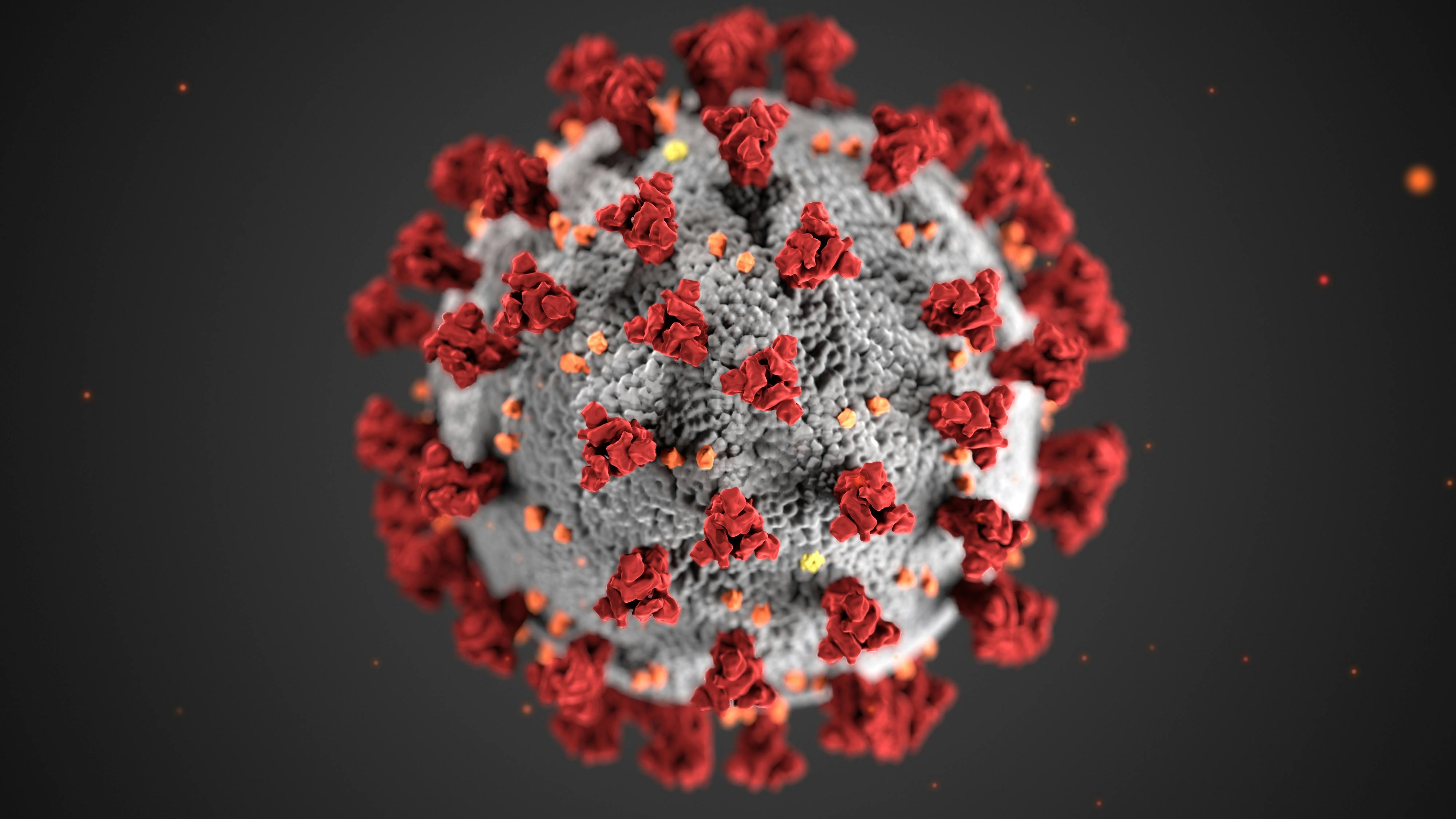
The United Kingdom has recently seen a worrying resurgence in measles cases. This viral infection, highly contagious and potentially fatal, underscores the need for robust patient education and immunisation strategies among healthcare professionals. Within the NHS Routine Childhood Immunisation Programme, the Measles, Mumps, and Rubella (MMR) vaccine plays a crucial role, administered in two doses at key developmental stages. As healthcare providers in primary care, understanding these trends and responding proactively is vital for community health.
The UK Health Security Agency highlighted the importance of the MMR vaccine in preventing measles outbreaks, especially in settings like nurseries and schools. It underscores that even a small decline in MMR uptake can lead to an increase in measles cases, demonstrating the vaccine’s role as the primary defence against measles infections. Public Health England estimates that the measles vaccine has prevented around 20 million measles cases and 4,500 deaths in the UK since its introduction in 1968.
The Resurgence of Measles in the UK
In recent years, the United Kingdom has witnessed a concerning resurgence of measles cases, reminding us of the importance of patient education and immunisation. Measles, a highly contagious viral infection, can lead to severe complications and even prove fatal in some cases. Considering this resurgence, it is crucial for healthcare professionals working in general practice and primary care to stay informed and take proactive measures to protect their patients and communities. MMR is part of the NHS Routine Childhood Immunisation Programme – with one dose offered at one year and another second dose at 3 years 4 months. Parents whose infants missed out, or anyone of any age who has not yet had a vaccine, are urged to get the vaccine. The free MMR vaccine has been a safe and effective way of protecting against measles, as well as mumps and rubella. Our upcoming Introduction to Childhood Immunisations Course on 21 February 2024 provides more guidance on childhood immunisations in the UK.
Statistics and Trends:
UK
UK Health Security Agency warned that coverage of the measles, mumps, and rubella (MMR) vaccine’s first dose had dropped below 90% in 2 year olds. By age 5, uptake of two doses had dropped to 85.5%—well below the World Health Organization’s 95% target needed for elimination of measles.
Government Data for MMR Childhood Vaccine Uptake
· Measles cases are rising. There is no specific treatment for measles and the MMR vaccination gives the best possible protection against illness. · Between 1 January and 30 June there were 128 cases of measles, compared to 54 cases in the whole of 2022, with 85 (66 per cent) of the cases detected in London although cases have been seen in all regions especially the Midlands. · Just one person with measles can infect nine out of ten people who have not had the MMR vaccination. · Measles is more than just a rash, in some cases it can lead to meningitis and sepsis, causing real risk to life. · 1 in 5 cases of measles cases requires a hospital visit. · Since the measles vaccine was introduced in the 1960s over 20 million cases have been avoided, saving over 4,500 lives. · The Measles, Mumps and Rubella (MMR) vaccine has been used since the early 1980s. · Measles is completely preventable with the MMR vaccine. Two doses provide over 99% protection. · Young children are offered one MMR vaccine after their first birthday and the second before they start school, usually at around 3 years and 4 months. This is because two doses of the MMR vaccine provide the best possible protection against measles, as well as mumps and rubella. · 95% MMR vaccination uptake, the target set by the WHO, is enough to create herd immunity, protecting those who are not able to be vaccinated, such as babies under one years old, and stop measles circulating. · Measles is highly infectious respiratory infection and can be passed on up to four days before a rash appears. |
Understanding Measles and the MMR Vaccine
Measles is an infectious disease characterised by symptoms such as fever, cough, and a distinctive rash. It is highly contagious, often spreading to nine out of ten unvaccinated individuals from a single infected person. The MMR vaccine, a cornerstone in combating this disease, has been in use since the early 1980s and is remarkably effective; two doses provide over 99% protection.
A comprehensive Cochrane Review, which included over 10 million children, confirmed its 95% effectiveness after one dose and about 96% after two. Importantly, this review also dispelled myths linking the MMR vaccine to autism, a controversy that has fuelled unwarranted vaccine hesitancy. Additionally, the review addressed safety concerns, including the debunked claim linking the MMR vaccine to autism, finding no evidence to support such
Two further studies with 1,071,088 children find no evidence for any association between the MMR vaccines and encephalitis, inflammatory bowel disease, Crohn’s disease, cognitive delay, type 1 diabetes, asthma, dermatitis/eczema, hay fever, leukaemia, multiple sclerosis, gait disturbance and bacterial or viral infections.The results for rubella and chickenpox also showed that that vaccines are effective. After one dose of vaccine was 89% effective in preventing rubella, and one study found that after 10 years the MMRV vaccine was 95% effective at preventing chickenpox infection. If exposed to chickenpox, 5 out of 100 vaccinated children would catch it.
The Wakefield Study Debunked
The Wakefield 1998 study which links MMR vaccination with autism has been fully retracted (Editors of the Lancet 2010), as Wakefield was found guilty of ethical, medical, and scientific misconduct in the publication of the paper. · Many other authors have shown that the Wakefield data were fraudulent (Flaherty 2011). · There was a formal retraction of the interpretation that there was a causal link between MMR vaccine and autism in 2004 by 10 of the 12 original co‐authors (Murch 2004). · In 1998, an excessive and unjustified media coverage of this small study had disastrous consequences (Flaherty 2011; Hilton 2007; Offit 2003; Smith 2008), such as distrust of public health vaccination programmes and suspicion about vaccine safety. · The consequence of this was a significant decrease in MMR vaccine coverage and re‐emergence of measles in the UK. |
Vaccination Strategy and Guidelines in the UK
The UK’s approach to vaccination, particularly for young children, involves administering the first MMR vaccine dose between 12 and 13 months of age, with a second dose at around 3 years and 4 months. This schedule is designed to establish strong immunity against measles, mumps, and rubella. Notably, the World Health Organization (WHO) has set a target MMR vaccination uptake of 95% to achieve herd immunity. The UK Health Security Agency emphasises the vaccine’s role in preventing outbreaks, especially in high-risk settings like nurseries and schools. Two further studies with 1,071,088 children find no evidence for any association between the MMR vaccines and encephalitis, inflammatory bowel disease, Crohn’s disease, cognitive delay, type 1 diabetes, asthma, dermatitis/eczema, hay fever, leukaemia, multiple sclerosis, gait disturbance and bacterial or viral infections. The results for rubella and chickenpox also showed that that vaccines are effective. After one dose of vaccine was 89% effective in preventing rubella, and one study found that after 10 years the MMRV vaccine was 95% effective at preventing chickenpox infection. If exposed to chickenpox, 5 out of 100 vaccinated children would catch it.
Challenges in Vaccination
Vaccine hesitancy remains a significant barrier in the UK. Misinformation and access issues contribute to this, requiring healthcare professionals to address these concerns empathetically and informatively. Ensuring equitable vaccine access is also crucial, as socioeconomic, and geographic disparities can create vaccination gaps.
Anti-Vaccine Sentiments
In 2022, an article in the BMJ explored whether anti vaccine sentiment is affecting routine childhood immunisations. It found that parents stated they had researched the vaccine and where therefore refusing it. Covid vaccine hesitancy appears to have influenced this, resulting in loss of trust . However, general practice face being penalised financially at a time when they may need extra resources to improve uptake. This is because some immunisations, including MMR, have been added to the Quality and Outcomes Framework (QOF), where GPs must hit 95% uptake to achieve the full payment.
· Almost 4 in 10 (38%) believe measles can cause death. · Almost 1 in 5 (18%) parents who haven’t had their child vaccinated for MMR are not aware that measles, mumps, and rubella remain a threat in the UK. · Almost half of parents (48%1) are not aware that measles can lead to serious complications such as pneumonia and brain inflammation. · Over a third (36%) of parents feel vaccinations have never been more important in helping prevent the spread of infections/viruses · Almost 1 in 10 parents (9%) admit their child hasn’t received a single dose of the MMR vaccine. · More than half of parents (56%2) are not aware that two doses of the MMR vaccine give 99% protection against measles and rubella. · A third of parents who expressed concern about the MMR vaccine said it is because they are worried about MMR side effects |
Patient Education: The Power of Knowledge
Educating patients about measles, its symptoms, and the importance of vaccination is key to preventing outbreaks. Utilise your role as a trusted healthcare provider to convey accurate information.
Immunisations: The First Line of Defence
Immunisation remains the most effective way to prevent measles. Healthcare professionals should prioritise vaccination for eligible individuals, ensuring that children and adults are up to date with their measles, mumps, and rubella (MMR) vaccinations.
Encouraging Compliance: Building Trust
Building trust with patients is essential to promote vaccine compliance. Establishing a strong patient-provider relationship can influence decision-making.
Importance of Updating Skills
In the ever-evolving field of healthcare, staying current with the latest guidelines and best practices is vital. Healthcare professionals should engage in continuous learning and professional development to provide the highest level of care.
Conclusion
The resurgence of measles in the UK is a reminder of the ongoing battle against vaccine-preventable diseases. Healthcare professionals in general practice and primary care have a critical role in this fight. By prioritising immunisations, patient education, compliance, and continual skill updating, they can significantly contribute to public health and protect communities from measles outbreaks. It is a collective effort towards a healthier and safer future.
References


Leave a comment